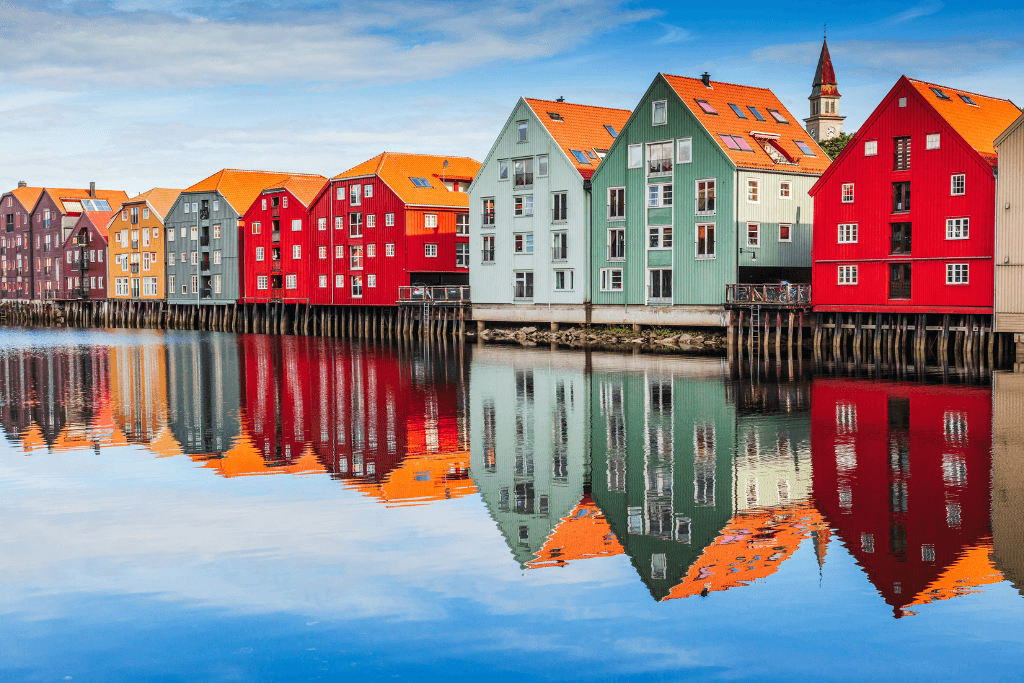
- Overview
- Trip Outline
- Trip Includes
- Trip Excludes
- Price
- Gallery

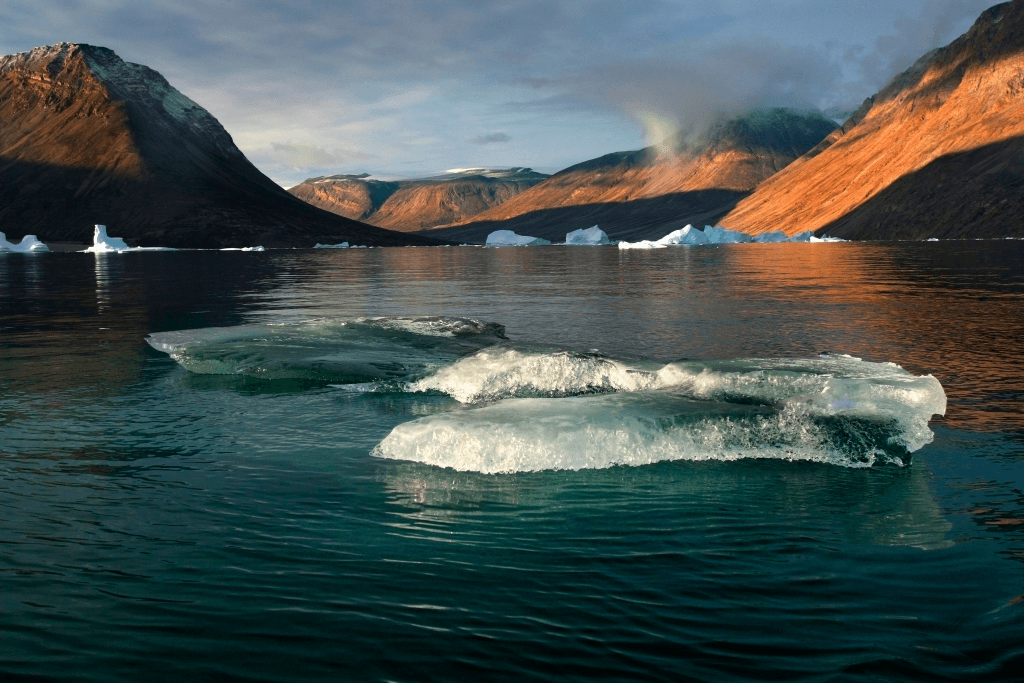
Step into a world of ice, silence and scale on this extraordinary Arctic expedition from Reykjavik into the remote wilderness of Greenland. Cruise through vast fjords like Scoresbysund — one of the largest on Earth — where towering icebergs, untouched landscapes and rare wildlife create a truly otherworldly setting.
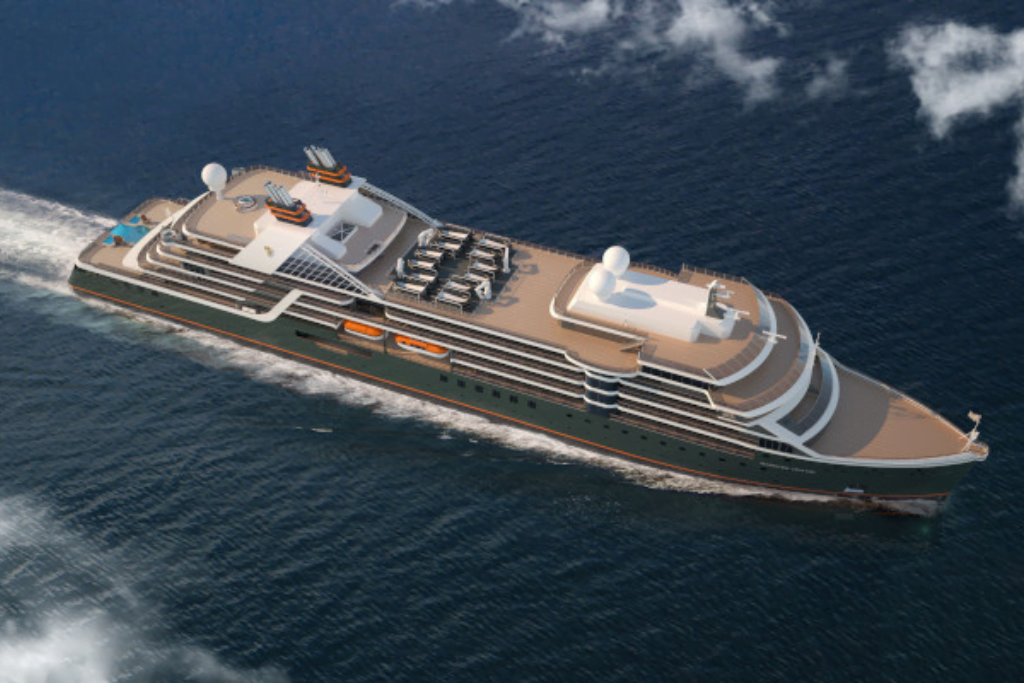
With expedition landings, Zodiac explorations and ultra-luxury comfort aboard Seabourn Venture, this is not just a cruise — it’s a journey to one of the last truly wild places on the planet.
The details:
- Seabourn Venture
- 15 Nights
- 17th July - 1st August 2027
- From £12,409 pp
*Price correct at time of publication 17/03/2026
Ports of call
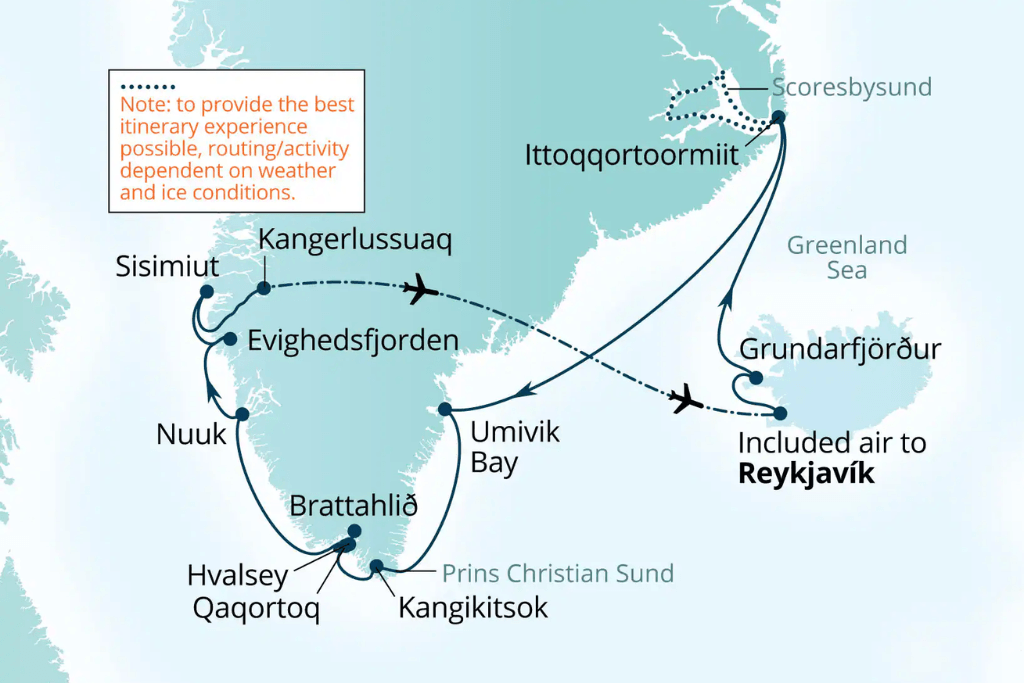
Reykjavik, Iceland -- Grundarfjordur, Iceland -- Scoresbysund exploration -- Ittoqqortoormiit, Greenland -- Umivik Bay, Greenland -- Prins Christian Sund, Greenland -- Kangikitsok, Greenland -- Qaqortoq, Greenland -- Hvalsey, Greenland -- Brattahlid, Greenland -- Nuuk, Greenland -- Evighedsfjorden, Greenland -- Sisimiut, Greenland -- Kangerlussuaq, Greenland
Itineraries
Day 1
Reykjavik, Iceland
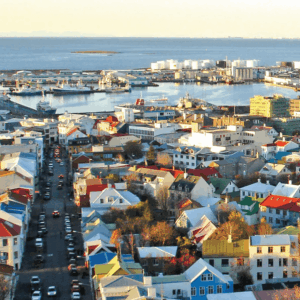
Steeped in history and bursting with contemporary flair, Reykjavík, the capital of Iceland, was founded around 870 C.E, marking the birth of the first permanent settlement on this island nation. Today, it is home to approximately 200,000 inhabitants, making up nearly 60% of Iceland's population. Reykjavík holds the title of the world's northernmost national capital, and it takes pride in its reputation as one of the cleanest, greenest, and safest cities globally. Its commitment to sustainability and eco-consciousness is evident in every corner, from its energy-efficient buildings to its pollution-free skies.
Day 2
Grundarfjordur, Iceland
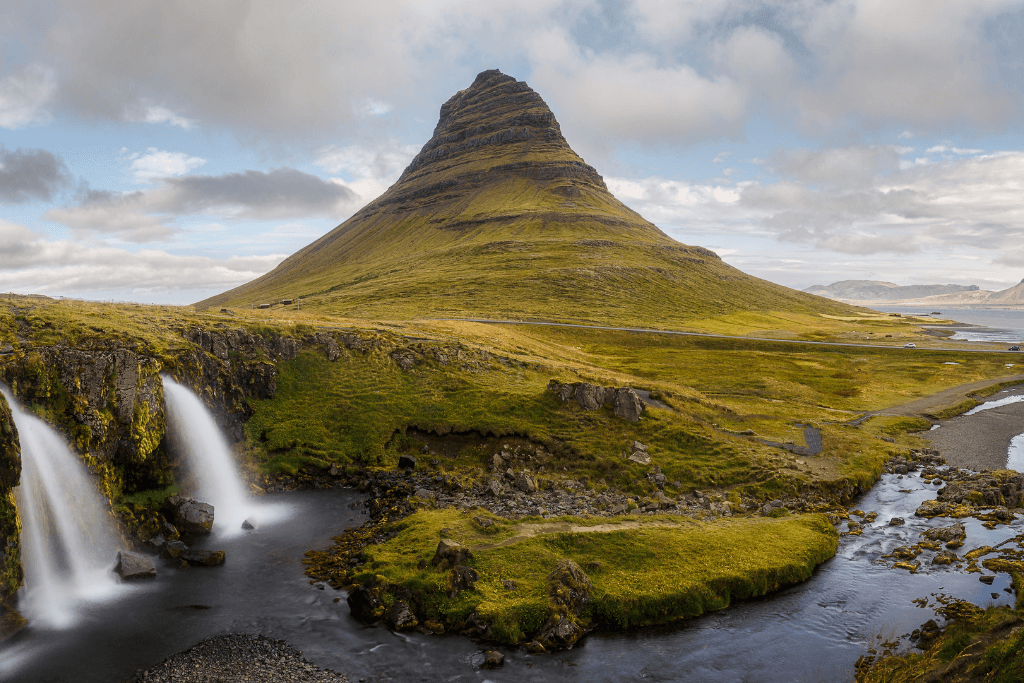
The charming small fishing village of Grundarfjörður is located in the middle of the Snæfellsnes Peninsula and thus provides easy access to Stykkishólmur, Snæfellsbær and the Snæfellsnes National Park. Its best-known landmark is undoubtedly the peak of Mt. Kirkjufell. Translated as ‘church mountain,’ Kirkjufell is the most easily recognizable peak, and one of the most photographed mountains in Iceland. During summer months a Viking Village is built in the center of town where Viking re-enactments occur quite regularly. During the Á góðri stund town festival in July, the town’s 900 residents decorate their houses in red, blue, yellow, and green, transforming the town into a spinning kaleidoscope of color.
Day 3
At Sea
Days 4 - 5
Exploring Scoresbysund
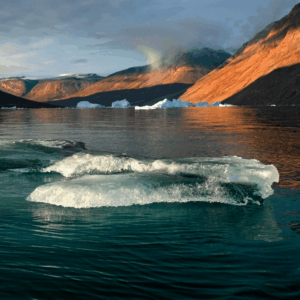
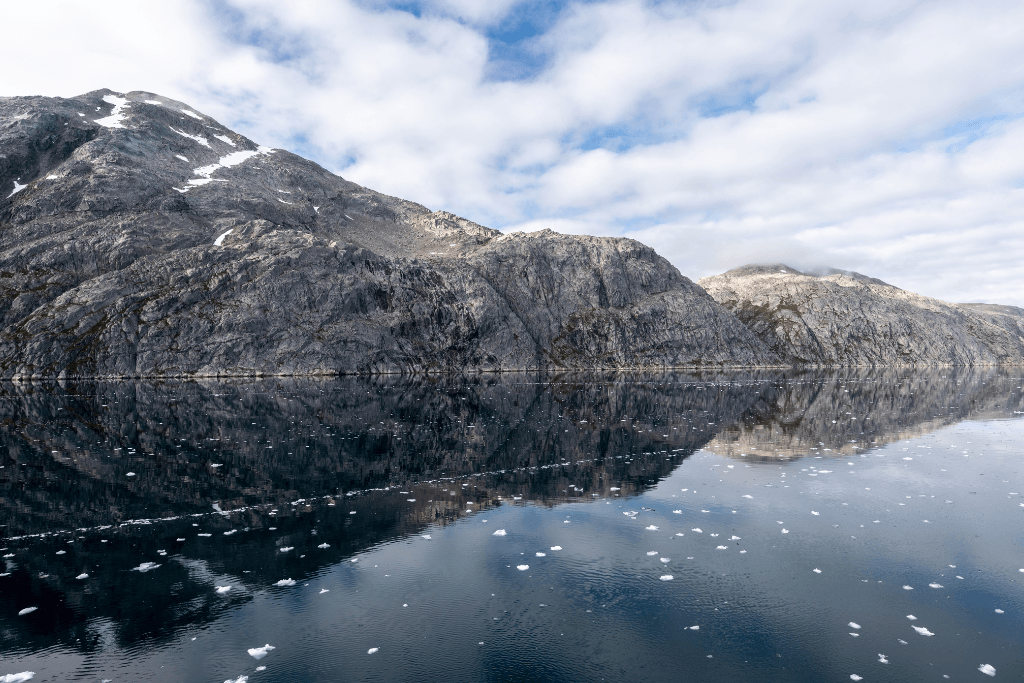
In Scoresbysund everything is bigger. Mountains rise to 2,000 meters in dark basalt that loom over the ice-filled water of the fjord below. Huge icebergs drift with the currents and pile up in crowds choked white, in huge quantities and volume that will take your breath away. If you are lucky a polar bear might appear, like a small speck in this vast, remote, and wild area. Scoresbysund, or Scoresby Sound was named in honor of the English explorer William Scoresby who mapped the area in 1822.
Expedition activities may include zodiac cruises, nature walks, or cultural experiences. Experiences in polar regions may encounter icy or cold conditions. Guests requiring a wheelchair will not have access to a zodiac.
Day 6
Ittoqqortoormiit, Greenland
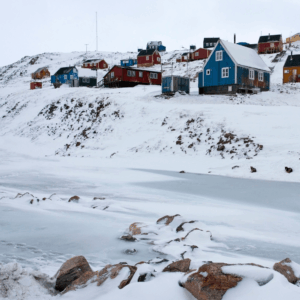
The small Greenlandic town of Ittoqqortoormiit sits at the entrance to Scoresby Sund, the longest fjord on Earth. Although founded in 1925, the original colonists to the area were Palaeo-Eskimo peoples 4,000 years ago.
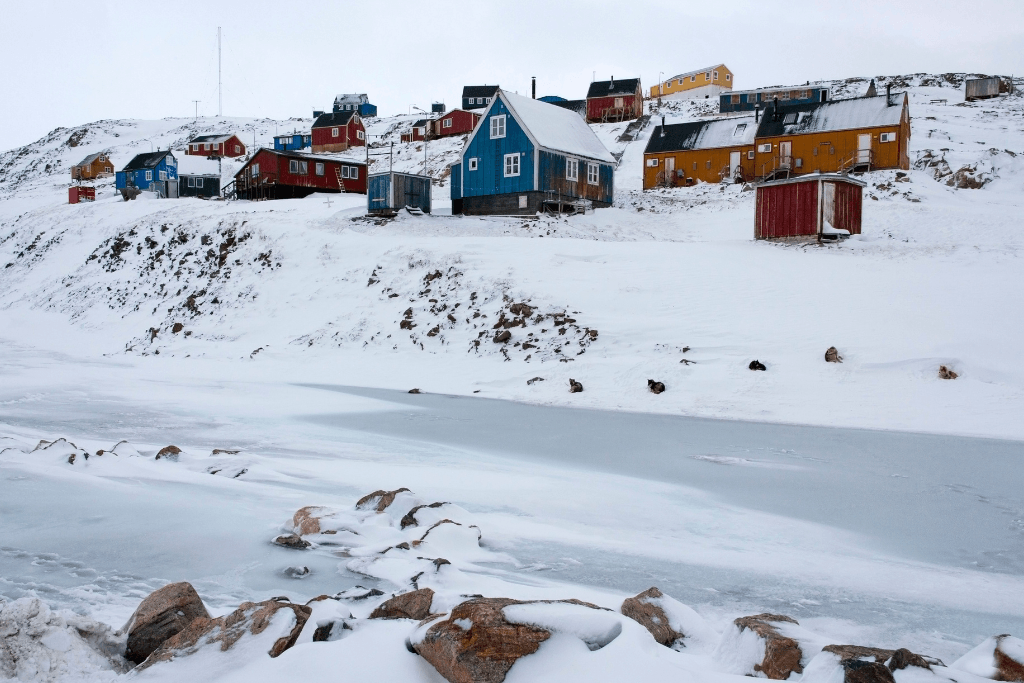
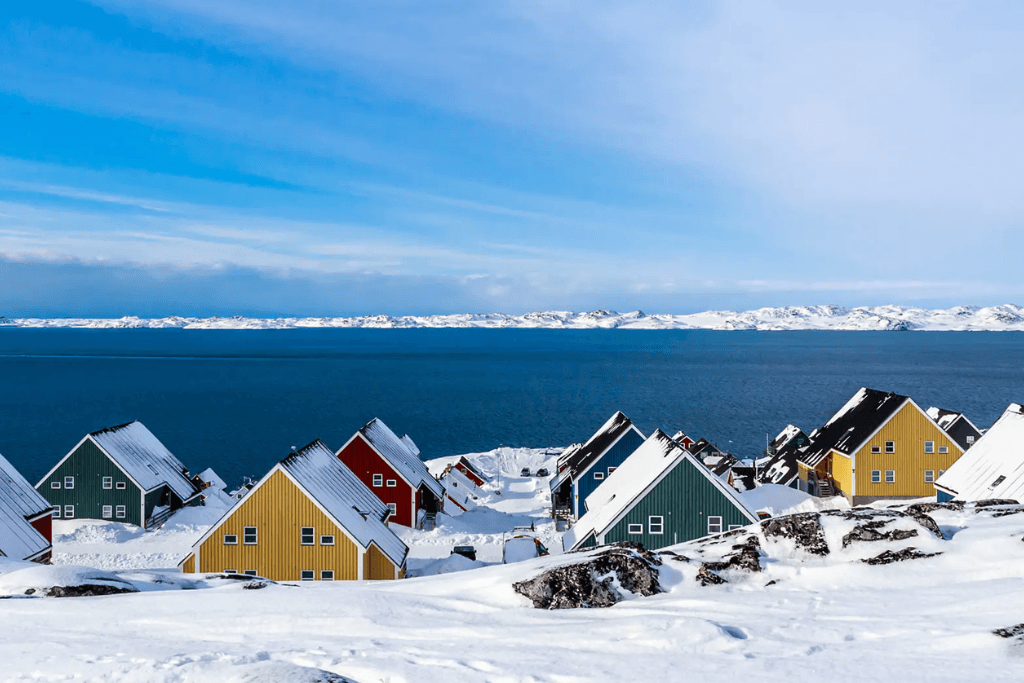
Housing 500 people, Ittoqqortoormiit derives its name from Greenlandic meaning ‘Big-House Dwellers’. A walk through town, reveals a vibrant Greenlandic culture. Seal, muskox and even a polar bear skin can be seen drying on racks outside of private homes. Greenlandic sled dogs sit patiently on their leashes in front yards, awaiting winter, their wooden sledges propped against buildings. In the local food store seal and whale meat are among the regular traditional foodstuffs laid out beside common western items. Ittoqqortoormiit has a post office where you can purchase Greenlandic stamps and mail your postcards as well as a quaint church, its gabled interior painted in white and sky-blue. The entire community, in fact, is a picturesque kaleidoscope of color, each building painted in bright hues of red, blue, yellow and green.
Day 7
At Sea
Day 8
Umivik Bay, Greenland
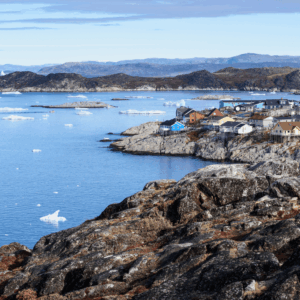
On the King Frederick VI Coast of Greenland’s southeast quadrant, the semi-circular Umivik Bay is carved out just north of the Denmark Strait. Unlike the sheer cliffs and rugged terrain presented by much of the coastline, the shores inside the bay are smooth and the massive Greenland Ice Sheet comes right down to the shore in undulating slopes. This profile persuaded Fritjof Nansen to select the bay as the starting point of his successful 1888 expedition to cross Greenland over the ice sheet. There are several large islands in the bay, including Uppernattivik Island smack in the middle. There are calving glaciers to survey and a landing is possible here as well.
Day 8
Prins Christian Sund, Greenland
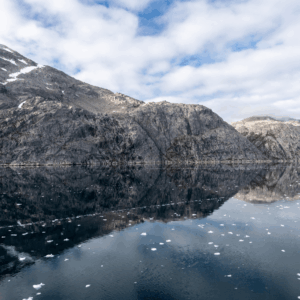
The transit of the Prins Christian Sund is one of the highlights of cruising in Greenland. The approximately 60-mile sound cuts between the mainland and an archipelago of islands from east to west, under the southern edge of the massive Greenland Ice Sheet, which covers 80 percent of the island. The sound is narrow, sometimes as little as 1500 feet across, and numerous glaciers reach the sea on its shores, calving icebergs into the sound. High, barren and sharply defined peaks tower on both sides. The only indications of humanity to be seen are the Ikerassasuaq weather station (using the Greenlandic name for the sound) where the ship enters, and the small village of Appilattoq, housing approximately 100 people. Animal life is more abundant, with minke, fin and blue whales seen frequently, as well as ringed and bearded seals that haul out on the floating ice. It is a breathtaking display of natural splendor in the severe, rugged vernacular of rock, ice and sea that is unique to the arctic realm.
Day 9
Kangikitsok, Greenland
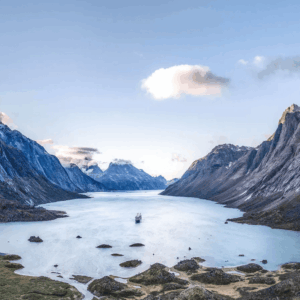
Imagine waking up to the serene beauty of one of the most remote arms of Prins Christian Sund, where the first light reveals a breathtaking landscape. As you explore Kangikitsoq, guided by the experienced Seabourn Venture team, you'll walk among a group of conical land formations with mysterious origins called molards. Along the way, your expedition team will point out unique landmarks, ancient Inuit burial sites, and more, as you explore the lush vegetation, stunning views, and a rich history.
Day 10
Qaqortoq, Greenland
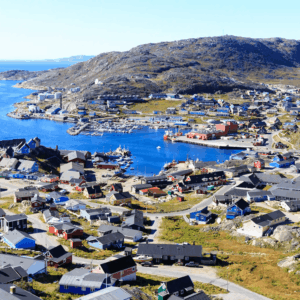
Qaqortoq is the largest city in Southern Greenland with 3,300 inhabitants. The town rises steeply above the natural small-boat harbor with its fish, shrimp and fur processing plants. It was founded in 1775 by the Dano-Norwegian trader Anders Olsen, working on behalf of the General Trading Company.
Qaqortoq is best known for its open-air art exhibition. The Stone & Man project, designed to transform the town into an outdoor gallery, had the participation of 18 Nordic artists from Iceland, Sweden, Norway, Finland and Greenland. Initially 24 stone sculptures were created using the existing rock faces and boulders in the town. Now there are over 40 sculptures celebrating Greenlandic culture.
Day 10
Hvalsey, Greenland
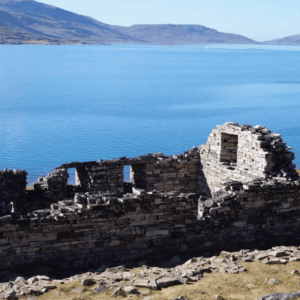
Twelve miles by Zodiac up the Hvalseyjarfjord from Qaqortoq, the largest community in South Greenland, lies the most prominent Norse archaeological site in Greenland. The so-called Eastern Settlement lasted from the 10th until the mid-15th century. Your expedition team archaeologist can interpret for you the ruins of the great halls and church at Hvalsey that hint of a prospering medieval farmstead. The site evokes an era when the Norse were trading with the indigenous Thule people of the area for furs and ivory, which were a prized commodities in Europe. A wedding held in the church in 1408 comprises the last written record of the Norse adventure in Greenland. Within a few years, Hvalsey and the rest of other Norse communities of Greenland withered as immigrants returned to the more established communities in Iceland and Norway. The site’s meadows of wildflowers sloping up from the fjord give a sense of the peaceful community that existed here in that long-ago summer.
Day 11
Brattahlid (Qassiarsuk), Greenland
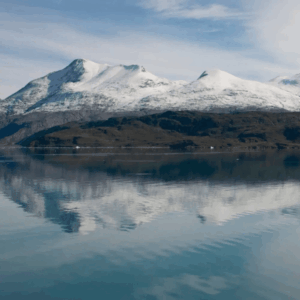
Norse farmers settled in this area in the 10th century, the earliest type of farming to the Arctic. It was from the Brattahlið (Qassiarsuk) farmstead that Leif Eriksson (Eric's the Red's Son) set sail and discovered Vinland, reaching the North American continent at Newfoundland and Labrador. UNESCO has included Brattahlið and other nearby sites as part of a World Heritage Site.
Day 12
Nuuk (Godthab), Greenland
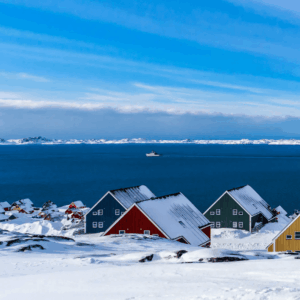
Greenland’s capital Nuuk, is a city of vitality and Greenlandic culture. It’s here that old traditions and modern influences combine to create a diverse population. Nuuk is the home of the University of Greenland with its 650 students and the Greenland National Museum with is its extensive historical archives and cultural displays. Also of interest are the Nuuk Art Museum and the Kayak Museum. The Art Museum holds a body of 300 paintings primarily featuring the work of traveling European artists, while the Kayak Museum houses a very impressive collection of sealskin kayaks and traditional hunting artifacts. The modest wooden frame of the Nuuk Cathedral, built in 1849, is a recognizable landmark on Nuuk’s skyline.
The site of Nuuk was occupied as far back as 2,200 B.C.E. by ancient pre-Inuit peoples from Canada. It was settled again in the 10th century by Viking explorers. The current city was founded in 1728 by Danish missionary Hans Egede. A statue of Egede stands adjacent to the cathedral.
Day 13
Evighedsfjorden, Greenland
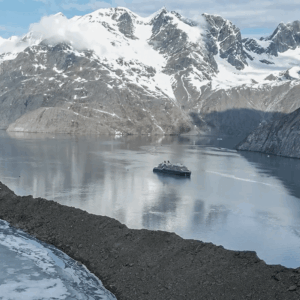
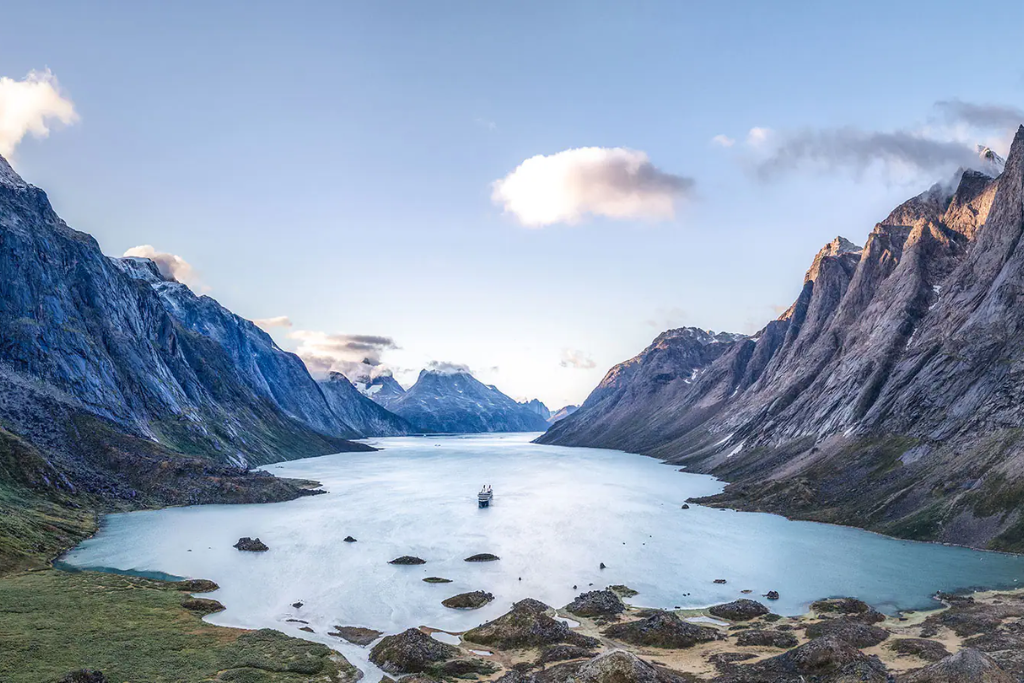
Eternity Fjord, situated in the remote wilderness of Greenland, is a breathtaking natural wonder known for its awe-inspiring beauty and dramatic landscapes. Carved by ancient glaciers, the fjord is flanked by towering snow-capped peaks and sheer cliffs that plunge into crystal-clear Arctic waters, creating a majestic spectacle of contrasting colors and textures. The serenity of the fjord is punctuated by the occasional crack and groan of the icebergs as they calve and drift slowly towards the sea. This pristine and untouched environment offers a glimpse into the raw, untamed beauty of the Arctic, captivating visitors with its sense of timeless grandeur and an overwhelming feeling of being in the presence of an unspoiled, primordial masterpiece of nature.
Day 14
Sisimiut (Holsteinsborg), Greenland
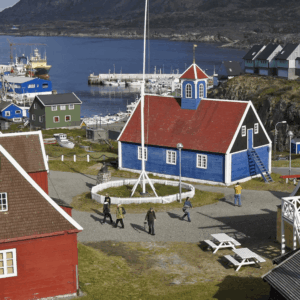
Located 24 miles (40 km) north of the Arctic Circle, Sisimiut is “rough, real and remote.” These three words cut to the core of Sisimiut’s reputation as an outdoor adventure-travel hub. It’s the second-largest city in Greenland with 5,600 inhabitants and was founded in 1756 under the leadership of the Danish missionary, Hans Egede. The name is Greenlandic meaning ‘place of fox dens.’ The area has been inhabited for 4,500 years, first by the Inuit peoples of the Saqqaq culture, Dorset culture, and then the Thule people, whose descendants comprise the majority of the current population.
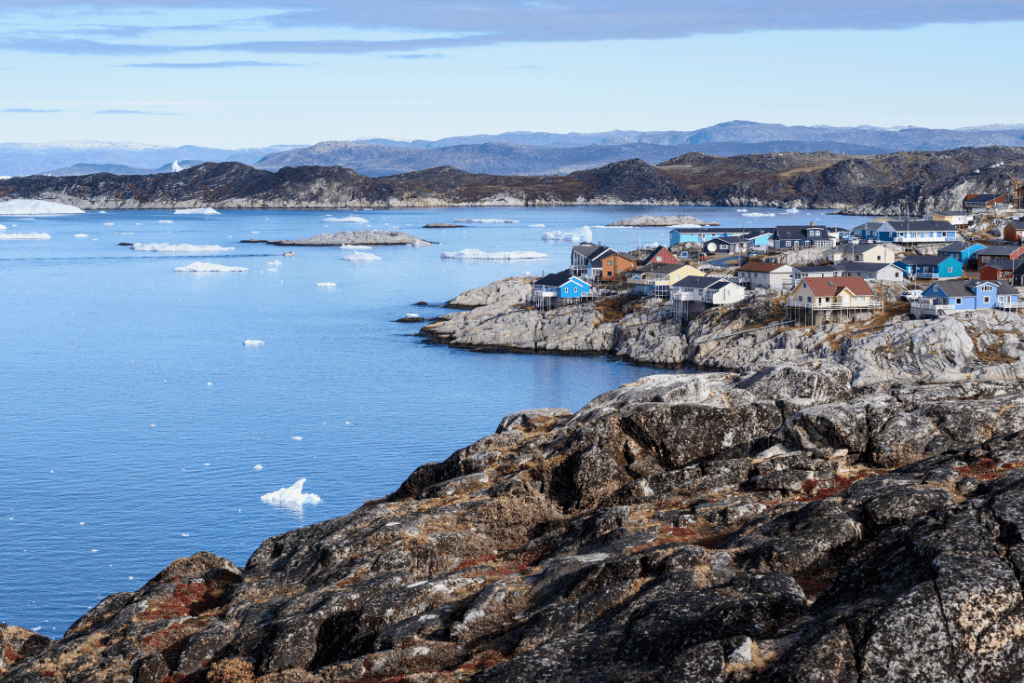
One of the most picturesque towns in Greenland, Sisimiut is set in a tranquil fjord perched on bare outcrops of rock. Mount Nasaasaaq, 2,572’ (784 m) tall, is the backdrop for the town, where colorful houses of bright red, yellow, green and blue stand out in stark contrast to a landscape of gray and white. The Sisimiut Museum hosts a traditional Greenlandic peat house and the remains of an 18th century kayak.
Day 15
Kangerlussuaq, Greenland
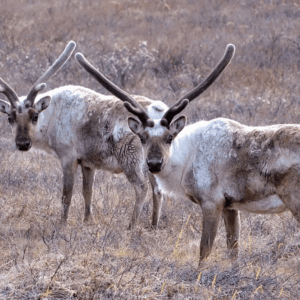
In October, 1941 the United States Army Air Force constructed an airbase at the site of Kangerlussuaq. It served as a refuelling stop for single-engine military aircraft being flown to Britain during World War II. From their last port of call, Goose Bay, Labrador, it was 1,600 kilometers (1,000 miles) to Kangerlussuaq until they could refuel. Kangerlussuaq fjord (‘Big Fjord’), is 170 kilometers (105 miles) long and was often shrouded in fog, providing a serious navigation problem for those aircrews.
Today, with the use of modern technology, navigation is no longer an issue. The landscape was ideal for the site of an airport. A large alluvial plain, deposited by the nearby glacial-outflow river, provided a perfectly flat environment for an airport. Kangerlussuaq is the largest commercial airport in Greenland and supports a population of 500. A little known fact, from 1971 to 1987, 33 missiles from various countries, were fired from Kangerlussuaq for upper atmospheric scientific research.
Day 16
Reykjavik, Iceland
Disembarkation and Transfers
- Cruise only
-
Premium spiritsComplimentary premium spirits and fine wines available on board at all times.
-
TippingTipping is neither required, nor expected.
-
World-class diningAll dining venues are complimentary, dine where, when and with whom you wish.
-
Complimentary Wi-fiComplimentary Wi-Fi packages with unlimited minutes powered by SpaceX's Starlink.
-
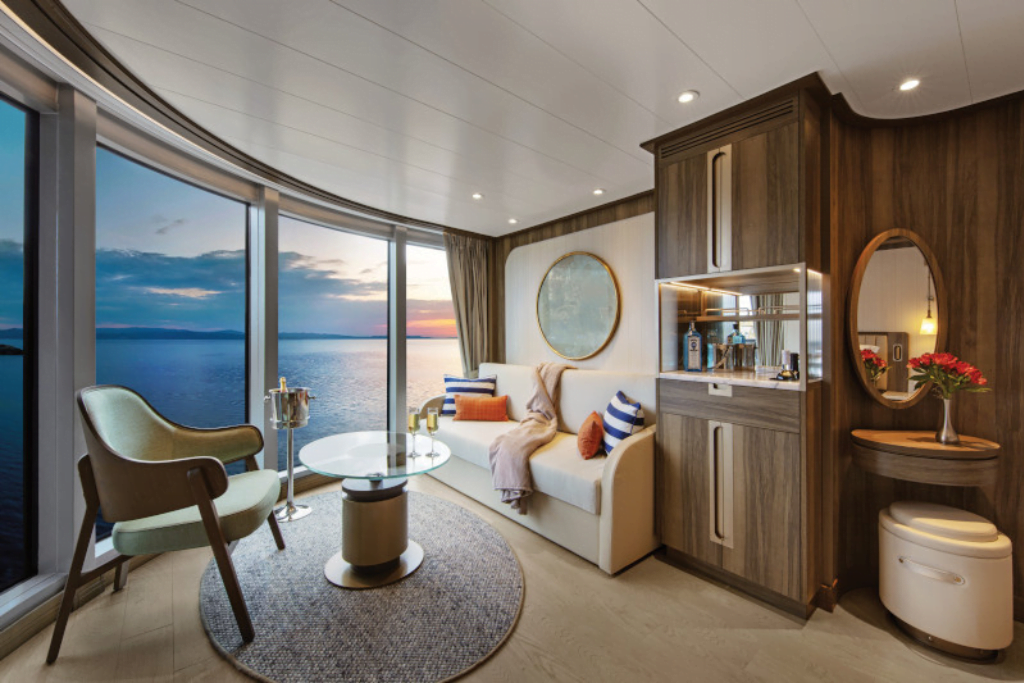
SuitesAll ocean-front suites luxuriously appointed, most with a private veranda.
-
EntertainmentComplimentary entertainment experiences, offering a variety of shows and live music.
- External Flights & Transfers (can be arranged)
- From £12,409 pp
*Price correct at time of publication 17/03/2026